

Standards and Scenarios for Electrical Testing and Maintenance
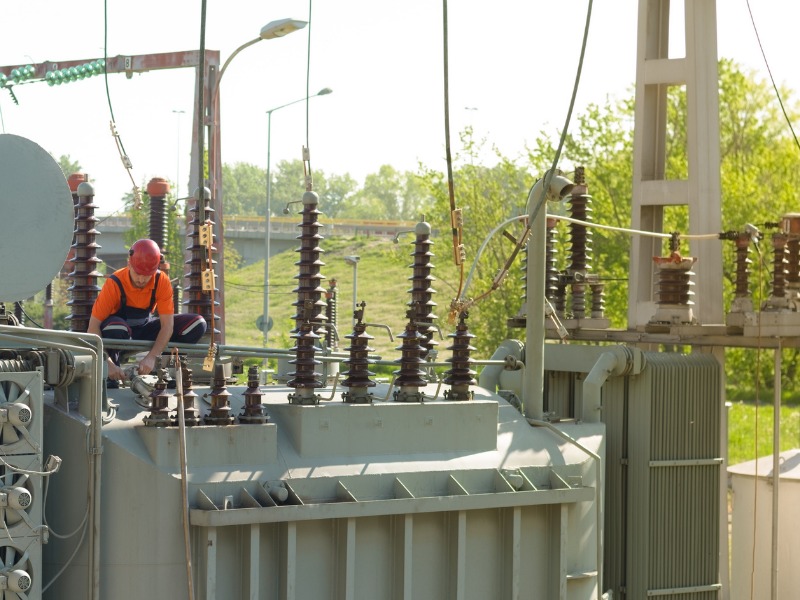
Electrical equipment shall be free from recognized hazards that are likely to cause death or serious physical harm to employees, according to OSHA. However, the regulations do not explicitly mention how to accomplish that.
Fortunately, we have some direction for some scenarios with The National Fire Protection Association’s (NFPA) 70B standard. Electrical equipment hazards are often unseen but can have serious consequences, including arc flash incidents, unexpected failures, and costly downtime. The NFPA 70B standard provides guidance on proper maintenance practices that help reduce these risks by ensuring equipment is routinely inspected, tested, and maintained.
Additionally, electrical hazards such as arc flash and electric shock pose serious risks to workers if not properly managed. NFPA 70E standard outlines critical safety practices, including proper PPE, hazard assessments, and safe work procedures designed to protect personnel working on or near energized equipment. This standard helps organizations create safer workplaces, reduce incidents, and ensure compliance with widely recognized electrical safety requirements.
Reasons to do electrical maintenance:
- The natural deterioration begins as soon as new equipment is installed.
- How long do transformers last?
- How long does a circuit breaker last?
- Idle equipment freezes and can cause malfunction or even electrical failure
- Electrical equipment life will be extended dramatically by simple precautions that promote cleanliness, dryness, tightness, and the prevention of friction.
NFPA 70E and NFPA 70B confirm that electrical equipment shall be maintained in accordance with manufacturer instructions or industry consensus standards to reduce the risk associated with failure. The cost of not doing electrical maintenance can lead to very costly equipment repairs and replacement.
Possible equipment that would be very costly to repair and replace:
- Transformers
- Generators
- Cables
- Motors
- Circuit Breakers
- Switchgear
Maintenance considerations:
What happens when the electrical maintenance and testing of a facility is neglected? Here are some examples of what can happen when electrical maintenance is not done.
Here, the bus failed because of dirt, moisture, and contaminants, which caused tracking issues.

Not all electrical equipment has moving parts; however, they still need maintenance and to be exercised to keep the equipment functioning properly.
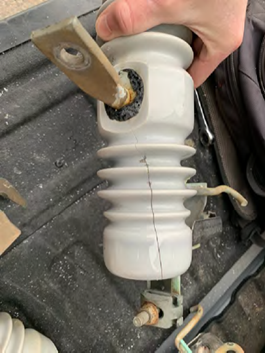
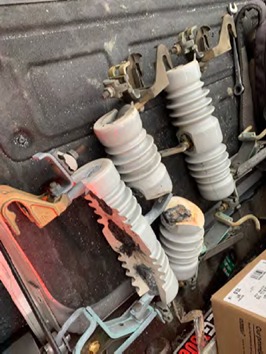
Here is another example of a lack of maintenance and the issues it can cause. Before de-energizing a plant, a fuse cutout was found to be broken. Power was de-energized upstream, and all three cutouts were found to need replacement.
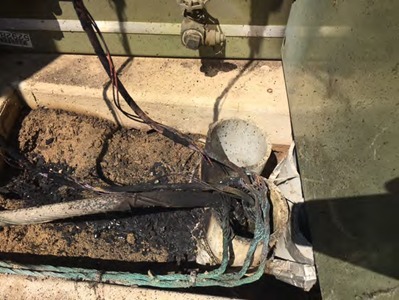
In this example, you can see how the medium voltage cable was blown and burned up. This was most likely due to an incorrect bending radius.
Electrical maintenance may not be required at your facility. However, you can see how it can cause downtime, money, and work safety concerns. Doing maintenance will save you time and money and keep your employees safe. Learn more by downloading our Why, What, When, and Who of Electrical Maintenance white paper.