

Animal Damage to Electrical Equipment
We love our house pets, but critters can wreak havoc at home from woodchucks digging underneath a patio, to rabbits and deer biting wires underneath a vehicle and feeding on plants and flowers.
Some of these critters can be just as harmful in the world of electrical maintenance and testing. Squirrels, birds and even snakes are part of a long list of animals who can damage electrical equipment at the most inopportune times.
While we know how the damage occurs, the bigger issue is how to protect your electrical equipment from these critter-induced, unplanned disruptions.
The Stealthy Intruders: How Do Animals Get In?
Animals evolve, learn and become more resourceful over time. That includes their ability and interest in infiltrating electrical equipment. They often seek shelter and warmth or become curious about items exploring their surroundings.
These are some of the common ways animals get into electrical systems:
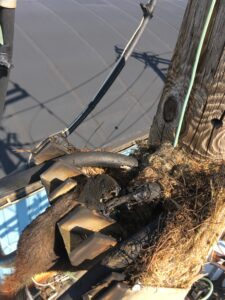
- Nesting Habits: Birds are notorious for building nests in electrical substations and utility poles. Their choice of location may lead to electrical fires or disruptions when their nests interfere with power lines.
- Chewing and Gnawing: Squirrels and rodents have a habit of chewing on electrical cables, insulation, and wires. Their gnawing can lead to exposed conductors and short circuits.
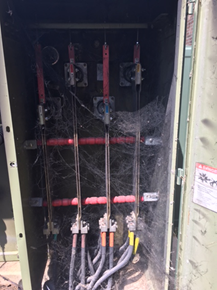
- Seeking Warmth: Snakes and other reptiles often crawl into switchgear cabinets or electrical enclosures seeking warmth, creating a safety hazard when operators need to access the equipment.
- Insects and Infiltrators: Insects, spiders, and even small mammals can find their way into electrical cabinets through tiny openings, creating a messy situation with nests, webs, and other debris.
The Unforeseen Consequences: Why It Matters
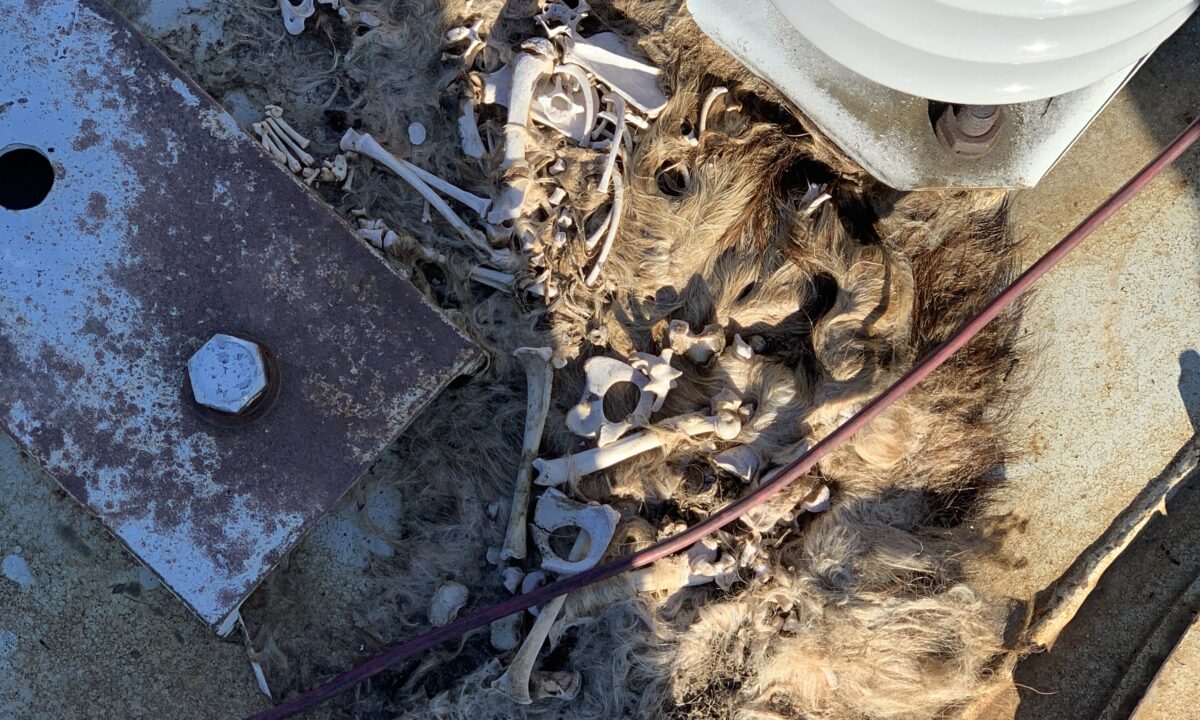
Even the smallest animals can cause major damage. Here are a few examples of the type of damage that is possible:
- Safety Hazards: Animals can cause electrical faults, leading to dangerous shocks, equipment damage, or even electrical fires.
- Operational Disruptions: Equipment malfunctions due to animal interference can result in costly downtime and interruptions to critical operations.
- Maintenance Costs: Removing debris, nests, and carcasses from electrical equipment can be time-consuming and expensive.
- Energy Efficiency: Damage caused by animals can reduce the efficiency of electrical systems, increasing energy consumption and costs.
Prevention and Protection:How to Safeguard Your Electrical Equipment
Now that we understand the risks let’s explore some proactive measures to protect your electrical equipment from these uninvited guests:
- Regular Inspections: Implement routine inspections of your electrical systems, looking for signs of animal activity, nests, or damage.
- Seal Entry Points: Identify and seal any openings or gaps in your electrical enclosures and cabinets, ensuring they are critter-proof.
- Install Deterrents: Consider using deterrents like screens, wire mesh, or spike strips to prevent animals from entering your equipment.
- Keep Surroundings Clean: Maintain a clean and tidy environment around electrical equipment, reducing the appeal of nesting spots.
- Training and Awareness: Educate your team on the importance of reporting any signs of animal intrusion promptly.
- Professional Assistance: If you suspect animal interference or damage, consult with electrical maintenance professionals to assess and address the issue.
Protecting Your Power by Preventing Unnecessary Paws
Animals may not be the first threat that comes to mind when considering threats to electrical equipment, but they can pose significant risks to your equipment and operations. By staying vigilant, implementing preventive measures, and conducting regular inspections, you can keep these critters at bay and ensure the reliability and safety of your electrical systems.