

Calibration: The Foundation of Accuracy and Reliability
In any environment where system performance, safety, and regulatory compliance are critical, calibration is a fundamental requirement—not a best practice. From industrial control systems to critical monitoring instrumentation, properly calibrated devices ensure processes operate as designed and that data remains accurate and actionable.
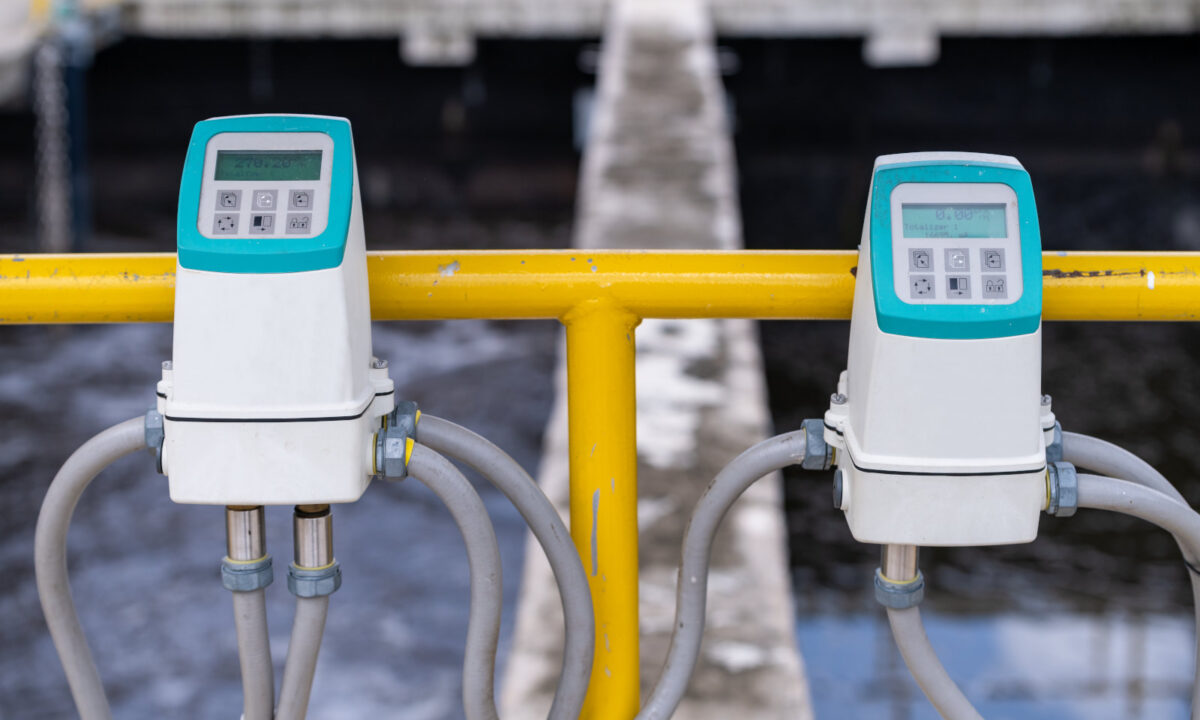
Calibration is a critical process in instrumentation that ensures measuring devices deliver accurate, repeatable, and traceable readings. By comparing an instrument’s output against a known standard and performing precise adjustments, calibration corrects for drift, environmental influences, and component wear that can impact performance over time. This is especially important in applications where even minor deviations can introduce process inefficiencies, compromise system integrity, or create safety concerns.
Routine calibration helps prevent false readings, supports compliance with industry codes and standards, and extends the operational life of instrumentation assets. It also plays a key role in proactive and predictive maintenance programs by identifying performance deviations early—before they escalate into system failures or unplanned downtime. In automated environments, including SCADA and integrated control systems, calibration ensures that the data driving system logic, alarms, and reporting remains reliable.
As a foundational practice across industries—including healthcare, manufacturing, utilities, and environmental monitoring—calibration enables organizations to maintain process control, reduce risk, and operate safely. A disciplined, standards-based approach to calibration supports asset reliability, strengthens compliance efforts, and reinforces confidence in the systems that support day-to-day operations.
The SCADA team at Team UIS is available to answer any questions about calibration and anything else on the top of your priority list. Contact us for more information.